A Woman Alone in the 15th Century & New medieval patterns are on the way! 🏰
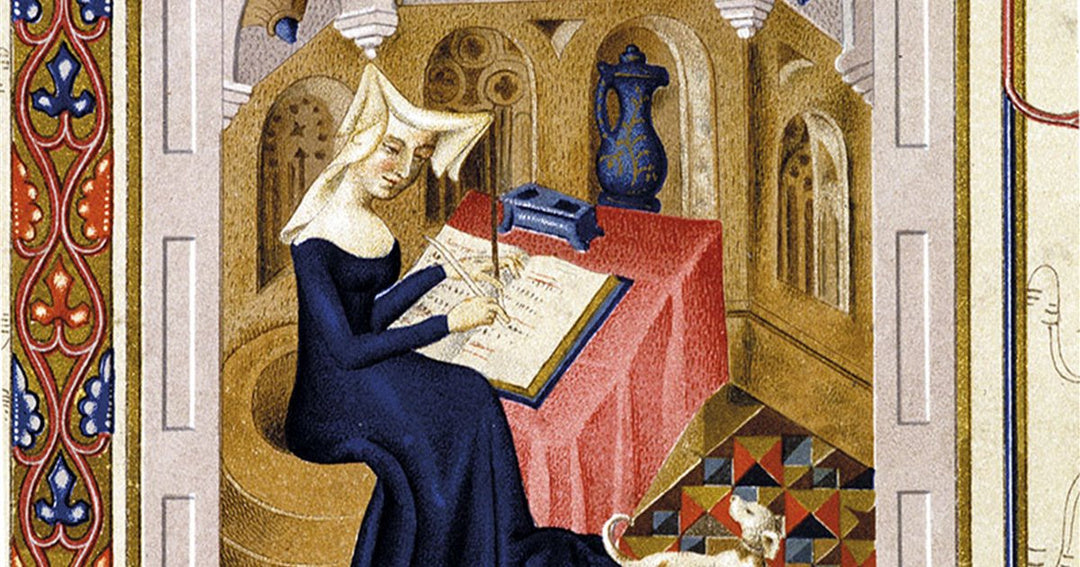
Today I want to share something I’m truly excited about: I’ve secured a spot in a course taking place this October titled “The Case of Christine de Pizan: A Woman Alone in the 15th Century.”
Christine de Pizan wrote The Book of the City of Ladies in 1405, right in the heart of the Middle Ages, a time when claiming women were inferior wasn’t just common — it was celebrated by the intellectual elite. But Christine didn’t go along with the tide. She was the first woman in Europe to make a living from writing, and she did it with a clarity and courage that still resonate today.
Why is this book still so important?
🔹 Because it dismantles prejudice with elegance and intelligence. Christine begins with some of the most misogynistic claims from canonical authors (Aristotle, Saint Augustine...) and calmly dismantles them using logic, erudition, and composure. Not with rage, but with firm conviction.
🔹 Because it creates a symbolic space of empowerment. She doesn’t just criticize — she imagines a city populated by strong, wise, creative, and courageous women: warriors, scientists, artists, queens, saints… a utopian space where female dignity is the norm. What we might call today a network of sisterhood.
🔹 Because it’s feminism before feminism had a name. Christine wrote in isolation, unaware that she was planting the seeds of a movement that would only be named centuries later. Her work is pure intellectual resistance.
🔹 And because it remains uncomfortably relevant. The ideas she fought — that women are irrational, weak, inconsistent — haven’t disappeared; they’ve just changed shape. Her way of confronting them is a masterclass in rhetorical strategy and bravery.
And as if that weren’t exciting enough… the lectures will be led by Victoria Cirlot.
Victoria Cirlot (Barcelona, 1955) is one of today’s leading voices in the study of medieval literature, female mysticism, and symbolism. She’s a professor of comparative literature, a researcher, editor, translator… and a brilliant mind. She has published extensively on Hildegard von Bingen, Arthurian myths, and medieval visions and ecstasy. She also directs the Árbol del Paraíso collection at Siruela.
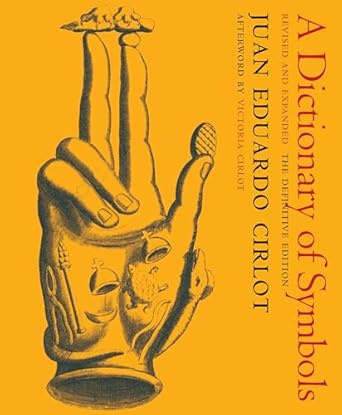
And yes — she’s also the daughter of Juan Eduardo Cirlot, author of one of my most treasured books: the Dictionary of Symbols. A text that’s far more than a collection of meanings; it’s a poetic, philosophical, and esoteric work that transforms how we see the world. Cirlot explores universal symbols —the mirror, the tree, the labyrinth, the serpent— through alchemy, mythology, psychology, and art, revealing a hidden language that connects cultures and time periods. For me, it’s an essential tool, even when I want to interpret a dream or give depth to a visual idea.
And yes, although it was originally written in Spanish, it’s been available in English since 1962, in a translation by Jack Sage with a foreword by Herbert Read — in case you’re curious.
So why am I telling you all this?
Well, perhaps you’re wondering…
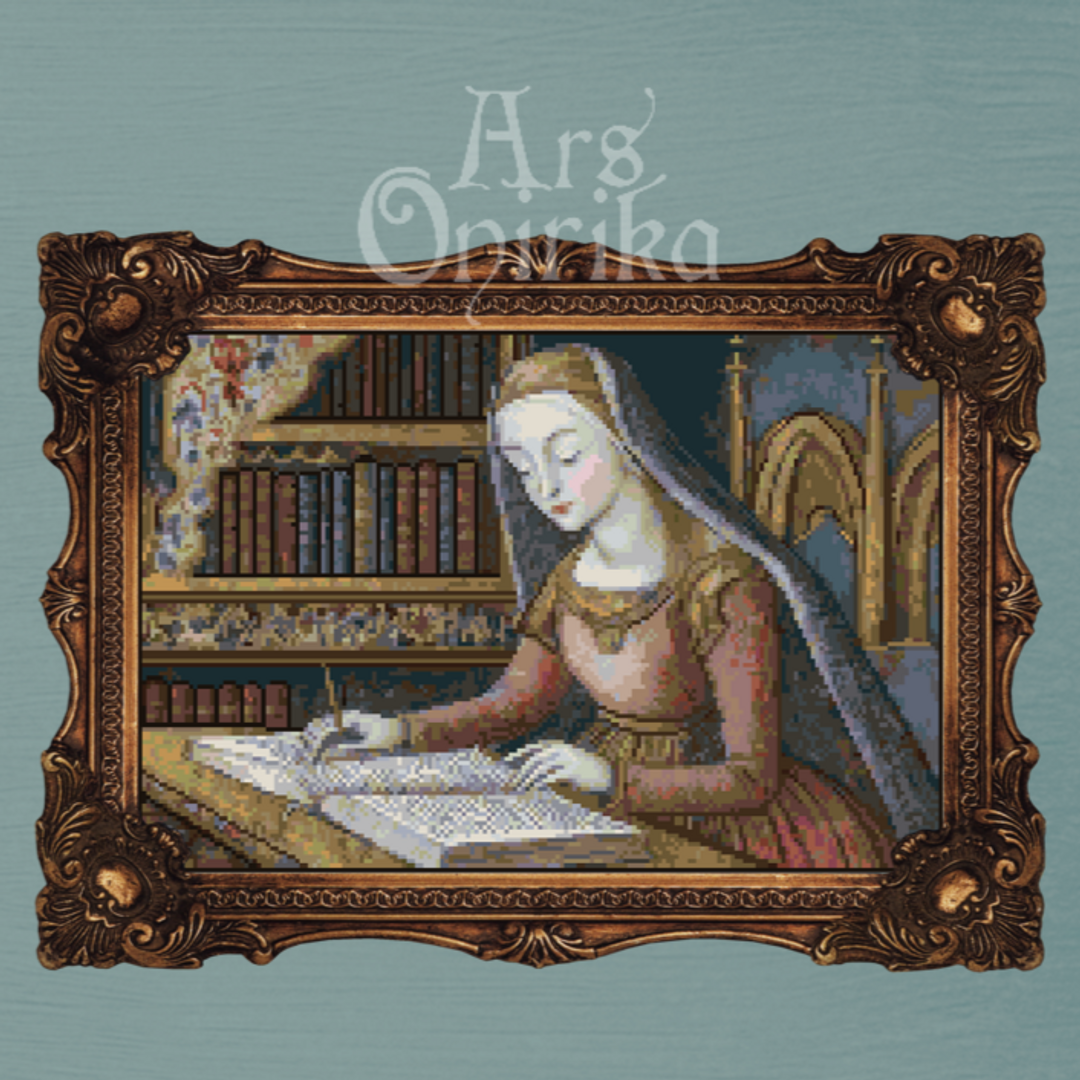
Among the more eclectic parts of my background is a university extension course in Symbolism and Art History from the University of Barcelona. I’ve always been fascinated by art and folklore, especially anything with a medieval scent: illuminated manuscripts, forgotten iconography, ancient archetypes… And the truth is, this kind of knowledge doesn’t just sit on a shelf — it nourishes my work as a designer.
So don’t be surprised if you start seeing this enthusiasm bloom into new cross stitch patterns with a medieval soul, symbolic details, and historical references full of meaning. I know many of you will be thrilled by this, because we share that curious gaze toward the past, the magical, and the beautiful.
I also wanted to share this because —as those of you who’ve been here for a while know— many of the things that truly inspire a designer happen offscreen and go unspoken. They remain behind the scenes. But that’s where the magic happens: in these courses, readings, and quiet passions… where the creative vision is slowly forged before it takes shape in the designs.
If you’ve made it this far — thank you for reading.
And now it’s your turn:
Did you already know about Christine de Pizan?
Have you read The Book of the City of Ladies, or is it on your radar now?
I can’t wait to hear from you! ✨
Warm regards,
Marta
Ars Onirika

Written by ARS ONIRIKA